From Inspiration to Master: How to Choose Your Creative DAW

From Inspiration to Master: How to Choose Your Creative DAW

Choosing a DAW in Music Production: A Strategic Foundation

In the world of digital production, the DAW (Digital Audio Workstation) is the central pillar of the studio. It is not merely recording software; it is the nerve center where a musical idea transforms into a complete sonic work. The choice of DAW dictates your workflow, the aesthetic of your decisions, and ultimately, the final result that reaches the listener’s ears.
The Strategic Role of the DAW in the Production Chain

Producing a track is a journey with specific stages, and each DAW highlights different virtues at each step:

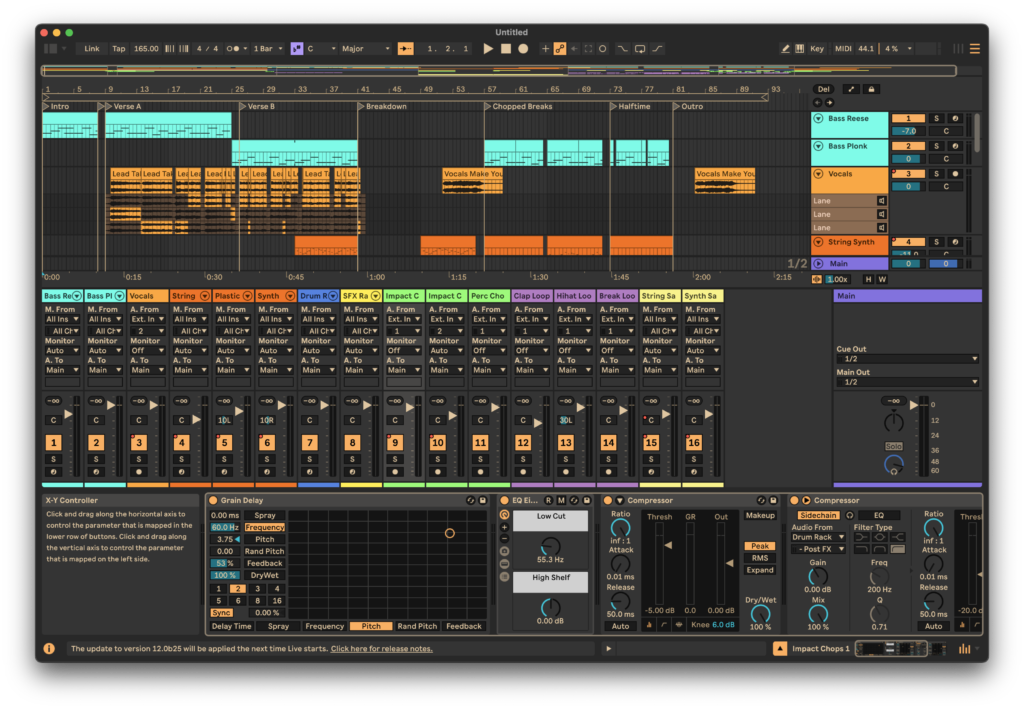
Ableton Live 12

Ableton Live 12

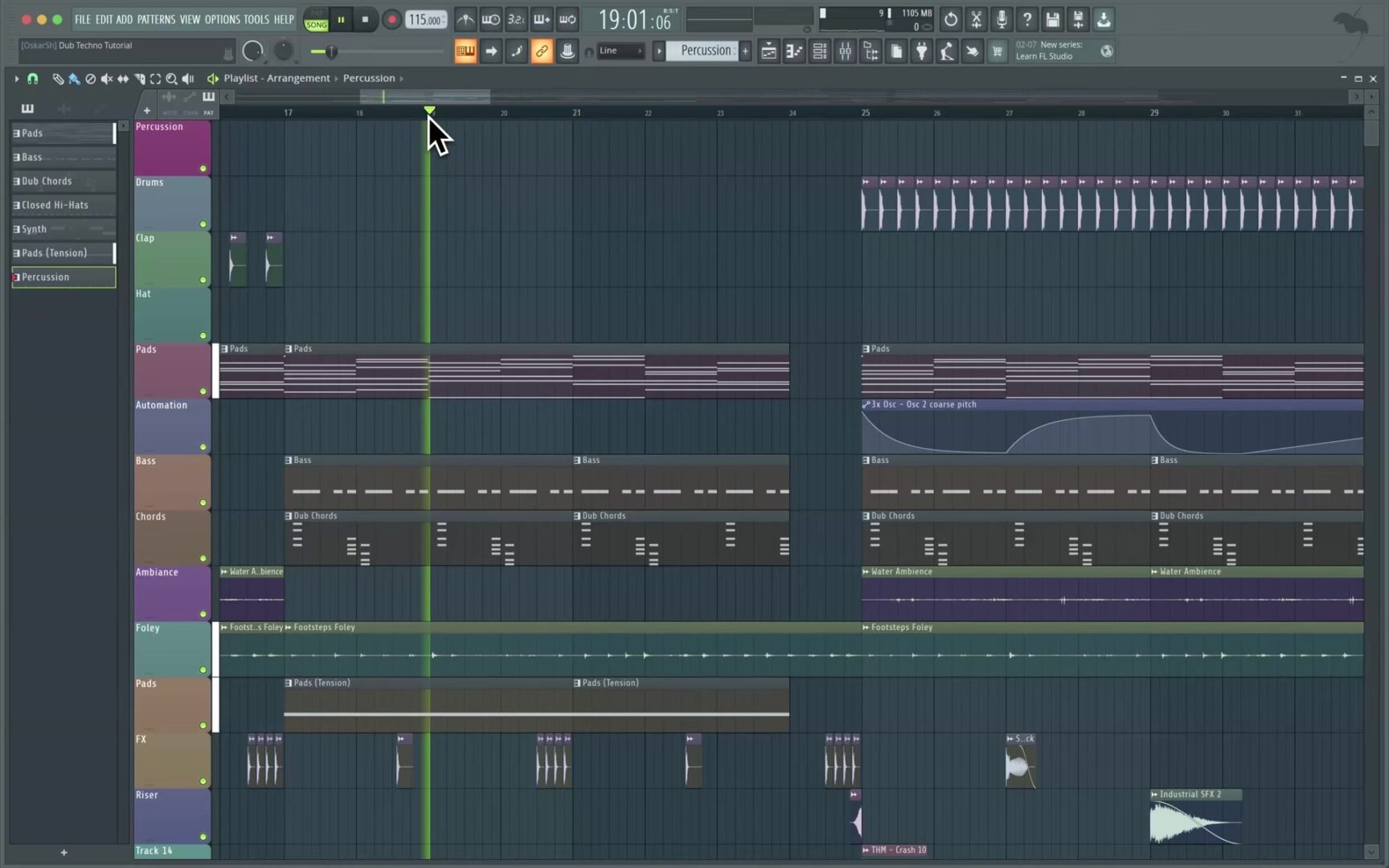
Idea Capture (Inspiration & Sketching): At this initial stage, speed is the priority. DAWs like Ableton Live and FL Studio excel due to their “non-linear” environments.


FL Studio

FL Studio

They allow the creator to experiment with loops and patterns without being bound by a timeline, making them ideal for beatmaking and electronic composition.


Cubase Pro

Cubase Pro

Arrangement and MIDI Editing: When an idea needs to gain depth, we require tools with powerful MIDI management. Steinberg Cubase and Apple Logic Pro are considered the “kings” of composition. 
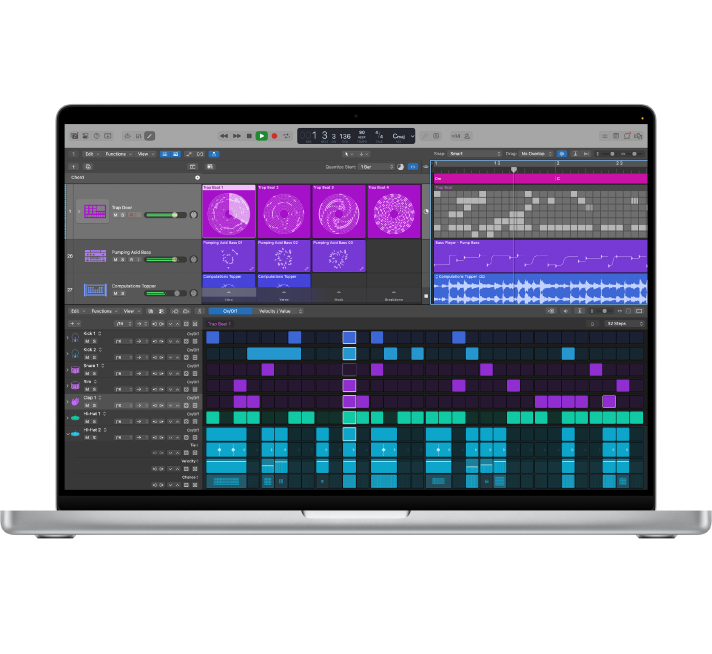
Logic Pro 12

Logic Pro 12

                                  They offer advanced features like chord tracks and expression maps, essential for those working with large orchestral libraries or complex arrangements.
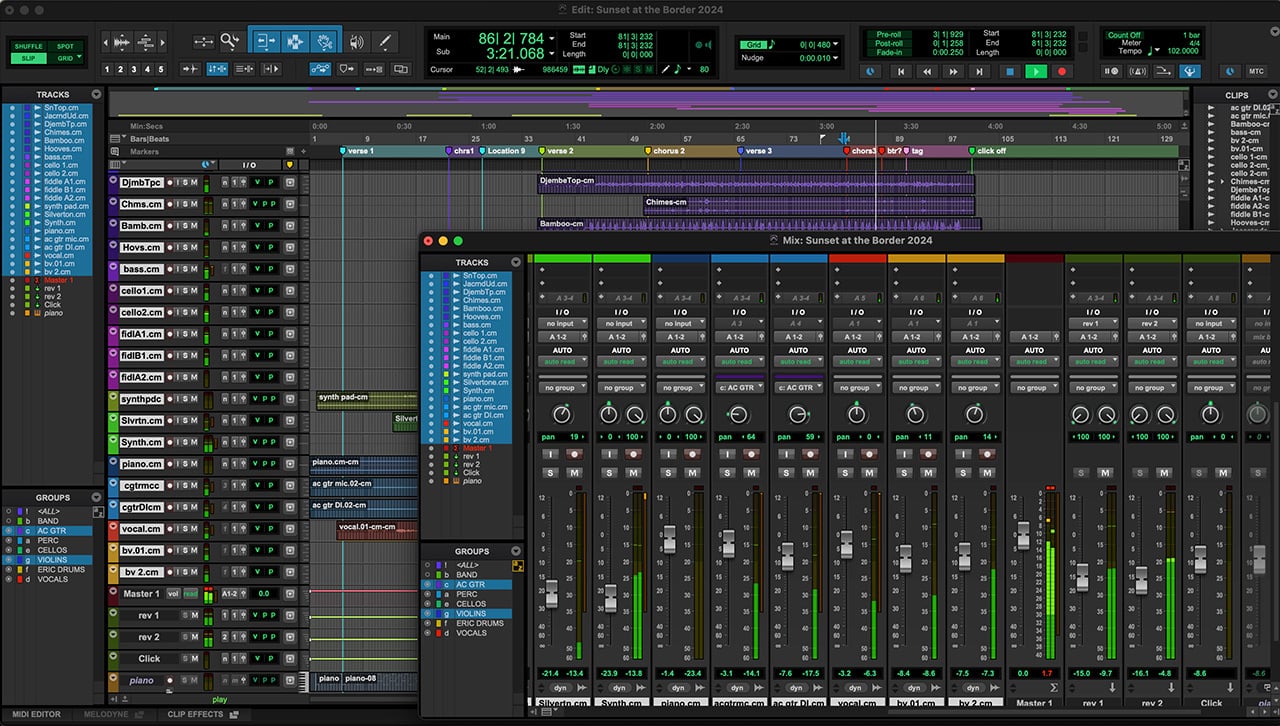
Avid Pro Tools

Avid Pro Tools

Recording and Audio Editing: Here, the priority shifts to precision and stability. Avid Pro Tools remains the industry standard for tracking and editing vocals or live instruments, offering surgical detail in audio management.
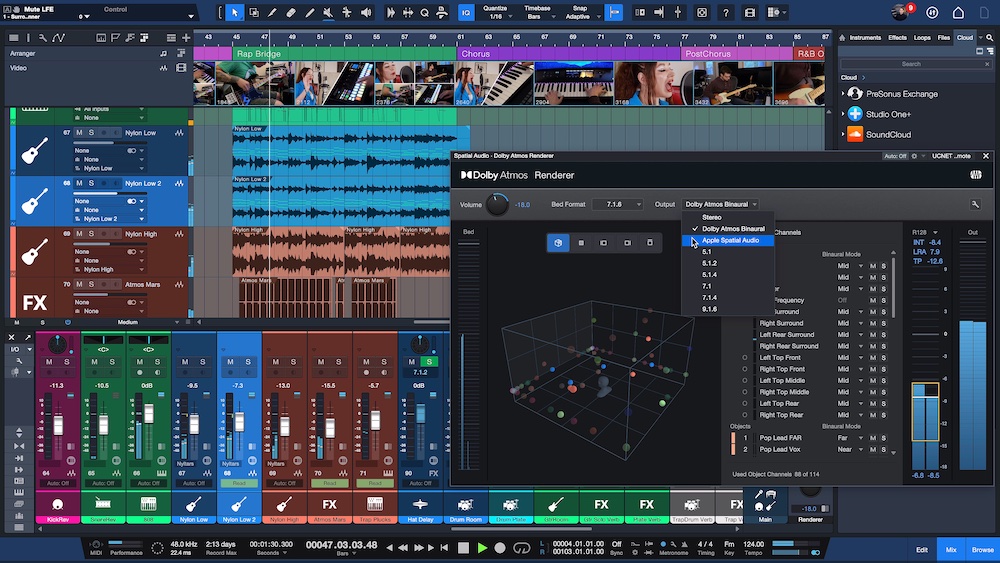
 

PreSonus Studio One

PreSonus Studio One

Final Mixing (Mixing & Mastering): In the final stage, the DAW transforms into a high-end virtual console. While all modern programs have excellent audio engines, Logic Pro and PreSonus Studio One stand out for their ergonomics and built-in mixing tools.

Comparative Evaluation: Pros and Cons

Software

Strengths (+)

Weaknesses (-)

Ableton Live
Top-tier for live performance & fast sound design.
Less efficient for traditional linear audio editing.
Logic Pro
Best value for money with a massive stock library.
Limited exclusively to the Apple ecosystem.
Cubase
Unmatched MIDI tools & professional scoring features.
Dense interface with a steep learning curve.
FL Studio
The most intuitive Piano Roll & lifetime free updates.
Cumbersome routing for multi-channel recordings.
Pro Tools
The absolute “language” of pro studios worldwide.
High subscription costs & fewer creative tools.

To understand the power of these tools, one only needs to listen to iconic works “born” within them. The choice of DAW by top artists is strategic, as each leaves its mark on the process:

 Balancing the Investment: Hardware and Cost

Choosing a DAW is inextricably linked to the hardware you own or plan to acquire. As professionals, we must view our equipment as a strategic investment that serves the genre of music we produce, without wasting resources:

  • System Requirements: If your productions rely on “heavy” virtual instruments and orchestral libraries, investing in RAM (at least 32GB) and fast NVMe SSDs is necessary to avoid latency issues. Conversely, if your focus is on recording live instruments and audio editing, priority shifts to processing power (CPU) and driver stability.

  • Avoid latency issues: To ensure seamless performance, make sure your system is equipped with sufficient memory and storage solutions.

  • Processing power: A robust CPU is essential for handling live recordings and multiple audio tracks without drops in performance.

The Essence of Creation Beyond Bits

It is essential to put things into perspective: Technology is only the tool, not the creator. A powerful workstation or expensive software will never compose a moving melody, nor will it make the critical aesthetic decisions for you.

The DAW is the “invisible” partner that must serve your vision without standing in the way of inspiration. Sound begins in the ear, the aesthetics, and the soul of the producer. Choose the tool that fits your hands, master it, but never forget that the real magic happens on the side of the screen where you are.

DAWs of the Stars: What the Pros Use

  • Ableton Live: Ludwig Göransson used Live to compose the Grammy-winning “Redbone” by Childish Gambino, leveraging its flexibility in sampling. Similarly, Tame Impala (Kevin Parker) bases much of his psychedelic production on the Ableton environment.

  • Logic Pro: Global hits by Ed Sheeran, such as “Shape of You,” were recorded and edited in Logic Pro. Furthermore, Billie Eilish and Finneas created the groundbreaking album “When We All Fall Asleep, Where Do We Go?” almost entirely in Logic, utilizing many of its stock plugins.

  • FL Studio: FL Studio is the foundation of modern Trap and EDM. Kendrick Lamar’s “Humble” (produced by Mike WiLL Made-It) and Beyoncé’s “Formation” were created here. The legendary Avicii also built his entire career (e.g., “Levels”) on the FL workflow.

  • Steinberg Cubase: For a “cinematic” sound, Hans Zimmer is the most loyal Cubase user, having composed soundtracks like Inception and Interstellar in it.

  • Avid Pro Tools: From Dr. Dre’s productions to Adele’s multi-layered vocals, Pro Tools remains the “operating room” where final processing and mixing occur for almost every major studio album.

What DAW do you use for your own productions? 

Have you faced challenges with your workflow, or are you considering a transition to a new environment? Share your questions and experiences in the comments, or send me a message to discuss how you can optimize your personal setup!


Like This

2 Replies to “From Inspiration to Master: How to Choose Your Creative DAW”

Leave a Reply

Your email address will not be published. Required fields are marked *